Gift a Tree - Christmas Pack
- Inventory on the way
Give a meaningful and sustainable Christmas gift with this Plant-a-Tree package. Each tree planted brings new life to forests, supports biodiversity, and creates real environmental impact. Your trees are planted in one of our verified reforestation projects, where they help restore landscapes, clean the air, enrich the soil, and strengthen long-term climate resilience. A simple way to make the world greener—one tree at a time.
A tree gift is a beautiful way to celebrate the season: thoughtful, heartfelt, and lasting. While holiday moments come and go, these trees continue to grow and make a positive difference throughout the years ahead.
The recipient receives a personalised digital certificate, designed to mark their trees and your meaningful gesture. It’s a warm, eco-friendly Christmas gift for anyone who values nature, sustainability, and gifts with purpose.
Start customising the Christmas certificate below and create a memorable keepsake that celebrates the season—and your shared contribution to a greener future:
Couldn't load pickup availability
How The Tree Gift Works
- You place an order 🛒
- You receive a digital certificate confirming your contribution 📄
- You can forward the certificate by email or message, or choose to print it if you prefer. 💌
- Your contribution is carefully planned, assigned, and spread across reforestation projects for maximum impact. 🗺️
- Your trees are planted in one of our verified reforestation projects 🌱
- The project is monitored to ensure long-term forest recovery 🌳
Why Planting Trees Matters
- Climate impact — trees absorb CO₂ and help cool the planet 🌍
- Biodiversity support — restoring diverse plant species strengthens ecosystems 🌸
- Soil and water protection — healthier forests prevent erosion and improve water cycles 💧
- Wildlife support — new forests create safe habitats for animals and pollinators 🦉
- Community benefits — reforestation supports local communities and long-term sustainability
- Long-term environmental benefits — each tree contributes to a greener, more resilient future 🌲
Delivery Time
Your digital certificate is delivered by email within 24 hours — fast, simple, and perfect as a last-minute gift. 💌


Certified Tree Gifting
100% Planting Guarantee
Every tree you plant with us comes with a digital certificate, so you can celebrate your gift and share the joy with loved ones. We provide a 100% planting guarantee and work exclusively with trusted partners like Trees for Life and Tree-Nation to ensure every project is managed responsibly. Their carefully selected projects focus on biodiversity, ecosystem restoration, and sustainable tree planting, so your contribution truly makes a difference. We analyze each initiative to maximize the impact of every dollar, minimizing overhead, waste, and energy use. Our mission is to combine the happiness of giving with the power of reforestation, turning every gift into a lasting benefit for people, wildlife, and the planet.
Projects All Over the World
Where We Plant Trees
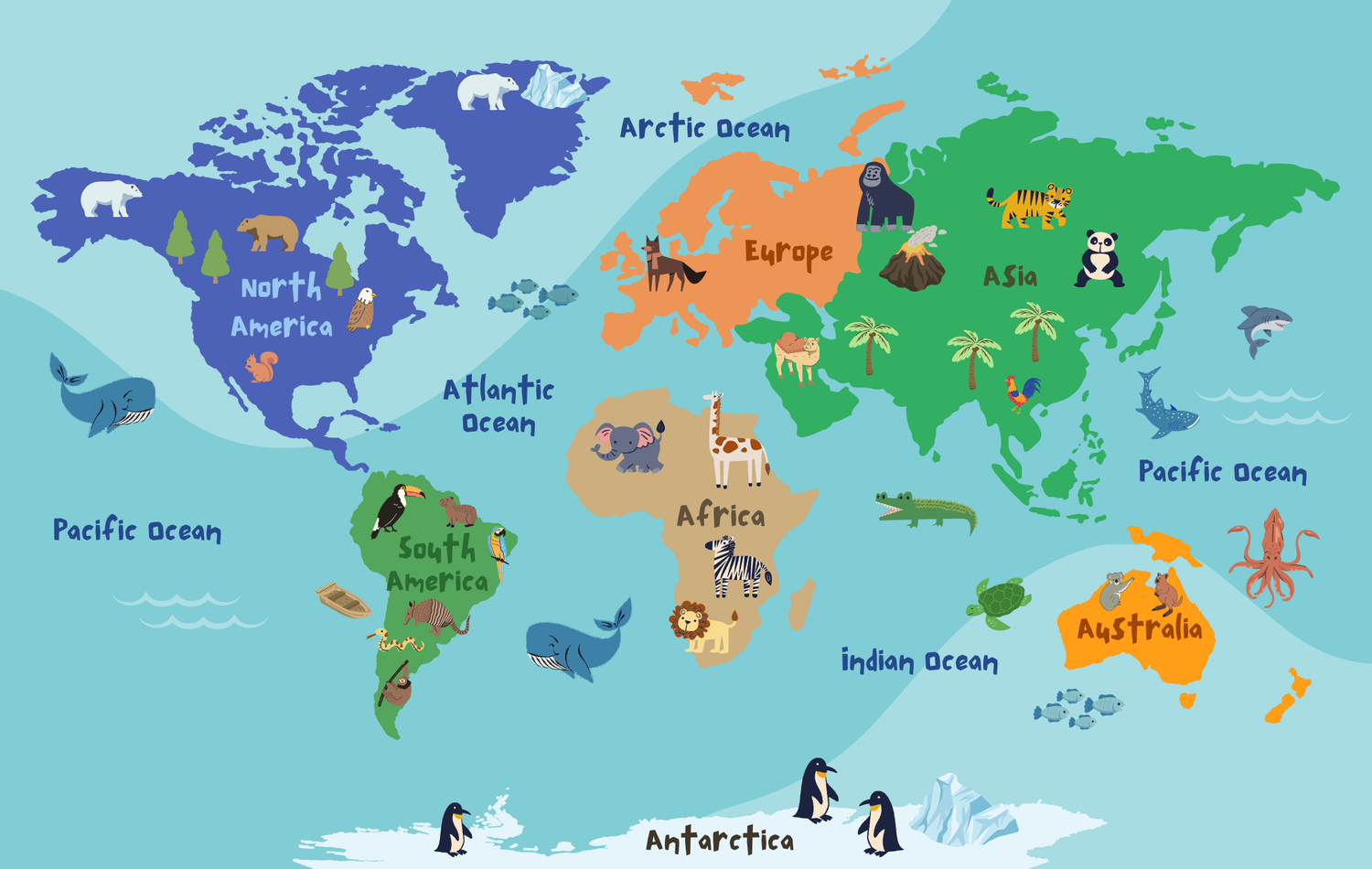
All gifts are carefully distributed across our global tree‑planting projects to maximize impact — restoring forests, supporting local communities, and protecting biodiversity. Each location on the map represents a unique effort, together forming a network of lasting positive change for our planet.
Explore the map to see a selection of the projects we partner with to plant trees. Select any “+” symbol for details about that project.
Amazon Windshields
Bolivia
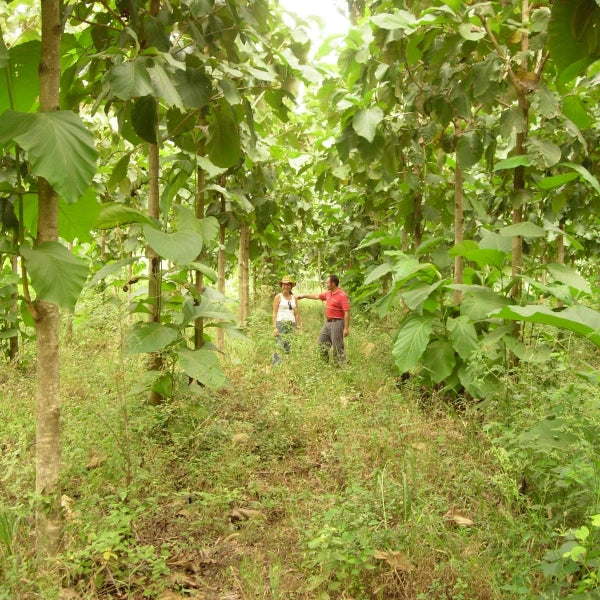
Amazon Windshields works to slow deforestation in the Bolivian Amazon by integrating trees directly into agricultural landscapes. Instead of seeing farming and forests as competing forces, the project promotes an agroforestry model where tree windshields (windbreaks) form a grid across farmland. This system increases productivity on smaller areas of land, allowing forests to be preserved rather than cleared.
By partnering closely with farmers, the project plants native species that protect soils from erosion, improve water balance, boost biodiversity, and stabilise microclimates. Farmers receive continuous technical guidance from trained field teams who support planting, maintenance, and agricultural management.
The approach has proven successful: more than 3.5 million trees have been planted across 4,000 hectares, benefiting over 200 farmers and communities. Average yields have risen by at least 12%, and the presence of trees has reduced wildfire vulnerability while improving carbon, water, social, and biodiversity outcomes. The model demonstrates that profitable agriculture and healthy forests can reinforce each other.
Impacts and benefits
The project generates five key positive impacts:
- Biodiversity protection through reforestation with native species and restored wildlife corridors.
- Women’s empowerment, offering fair employment in seed collection, nurseries, administration, and leadership roles.
- Genetic and ecological restoration, using seeds from regionally resilient trees to recover threatened species.
- Soil and water improvement via windshields that reduce erosion, increase soil fertility, and protect water resources.
- Quality rural jobs, with fair wages, legal compliance, and safe working environments that strengthen local economies.
Country’s general context
Bolivia hosts one of the most biodiverse landscapes in the world, ranging from Amazon rainforest to Andean highlands. Yet the country faces major environmental pressures:
- From 2001–2021, Bolivia lost more than 6.6 million hectares of forest, including 3.35 million hectares of humid primary forest.
- Tree cover loss contributed to over 3 gigatons of CO₂ emissions.
- Deforestation, mining, agricultural expansion, and climate-driven droughts remain major threats.
- While 22% of the country is now under protection, illegal hunting, extractive industries, and climate change continue to stress ecosystems.
- Bolivia's economy shows stable inflation, moderate population growth, rising CO₂ emissions, and expanding renewable energy use (43% of its energy mix in 2020).
This context makes nature-based solutions essential to preserve forests and support sustainable rural livelihoods.
Regional context
Across South America, the Amazon basin faces severe pressure from deforestation, agricultural expansion, mining, and wildfires. These trends endanger biodiversity hotspots, disrupt hydrological cycles, and accelerate CO₂ emissions. Although protected areas are expanding, enforcement remains challenging due to illegal activities and land-use conflicts. Projects that combine conservation with locally viable agricultural models are crucial for long-term resilience.
Project history
Since 2005, Ketrawe has led reforestation and land-restoration efforts in the Bolivian Amazon, expanding later into Brazil, Chile, and Haiti. What began as a mission to plant trees with local farmers has grown into a large-scale agroforestry initiative. The organisation’s work focuses on absorbing CO₂, preventing soil degradation, restoring habitats, and supporting communities. Over 3.5 million trees have been planted to date, creating long-lasting ecological and social impact throughout the Amazon basin.
Land management practices
Effective land management combines fieldwork, ecological knowledge, and long-term monitoring:
- Site assessment to match tree and crop species with local soil and climate conditions.
- Agroforestry planting systems using seedlings, direct seeding, or cuttings, integrated with crops in rows or intercropped layouts.
- Maintenance activities such as pruning, weed control, pest management, and soil enhancement to encourage healthy growth.
- Monitoring of soil quality, plant development, and local biodiversity to measure progress and adjust management strategies.
All practices align with FSC standards and international biodiversity impact assessment frameworks (e.g., PBAF Standard v2022).
Other related activities
The project also supports complementary activities that strengthen local conservation and community engagement:
- Research on biodiversity, carbon capture, soil health, and agroforestry performance.
- Voluntourism, enabling visitors to participate in planting and land-care activities.
- Birdwatching, supported by the rich habitats created through reforestation.
- Agro-ecotourism, offering hands-on learning in sustainable agriculture, planting, and land regeneration.
Local communities involvement
Local communities—especially women—are essential partners in agroforestry development. Their involvement creates environmental, social, and economic benefits:
- Economic opportunities for women in nurseries, seed collection, planting, and production of non-timber forest products.
- Sustainable income generation through diversified agroforestry products.
- Improved food security from mixed cropping systems.
- Stronger environmental stewardship through reduced erosion, restored soils, carbon sequestration, and habitat protection.
- Community-driven knowledge exchange, combining traditional expertise with modern agroforestry practices.
By working hand-in-hand with farmers and local households, the project ensures that restored landscapes remain productive, resilient, and socially grounded.

Lost Forests Recovery in California
United States
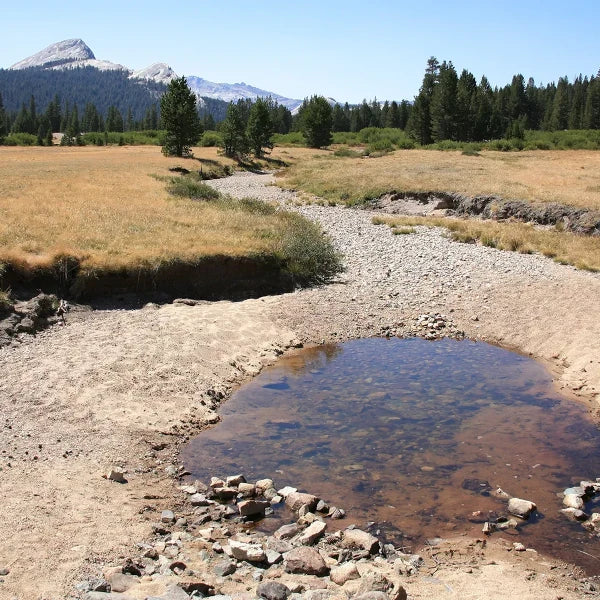
This project (by Tree-Nation) supports the long-term restoration and protection of forests in California that have been severely damaged or are increasingly threatened by wildfire. In recent decades, wildfire seasons in the state have become longer, more intense, and more destructive. A combination of factors—prolonged drought caused by climate change, extreme heat, reduced snowpack, dry vegetation, strong seasonal winds, and a historical focus on fire suppression—has created conditions in which wildfires now burn more acres than ever before. Human activity is responsible for the majority of fire ignitions, further increasing risk across the wildland-urban interface where communities border natural forests.
California is currently experiencing the driest multi-decade period in more than 1,200 years, dramatically increasing fuel dryness and fire behavior. Insufficient controlled burning has also led to a dangerous build-up of biomass, contributing to large “megafires.” Meanwhile, pests such as bark beetles have caused extensive tree mortality—over 172 million dead trees since 2010—leaving forests more vulnerable. Recent fire seasons (2020–2023) have seen millions of acres burned, thousands of structures lost, and growing threats of post-fire landslides.
The project’s work addresses these challenges through reforestation, careful forest management, and actions that reduce future wildfire risk. Activities include replanting native trees, conducting controlled burns, and managing firewood and fuel loads to keep both the public and firefighters safe. All plantings follow strict standards to give young trees the best chance to survive, and follow-up evaluations ensure long-term success. Restoring tree cover also strengthens seed sources for future regeneration and improves forests’ resilience to pests and climate impacts.
Within the broader U.S. context, National Forests and Grasslands are managed under the National Forest Management Act and overseen by the U.S. Forest Service. California’s National Forests provide millions of acres of natural habitat, recreational space, and economic benefits to surrounding communities. Effective restoration helps protect these landscapes, supports local recreation and tourism, and contributes to healthier, more resilient ecosystems.
Planting takes place during the March–April field season, following nursery work from April to February. Through this project, degraded forest areas are restored, wildfire risk is reduced, and the ecological and social value of California’s forests is protected for future generations.

Trees for Life
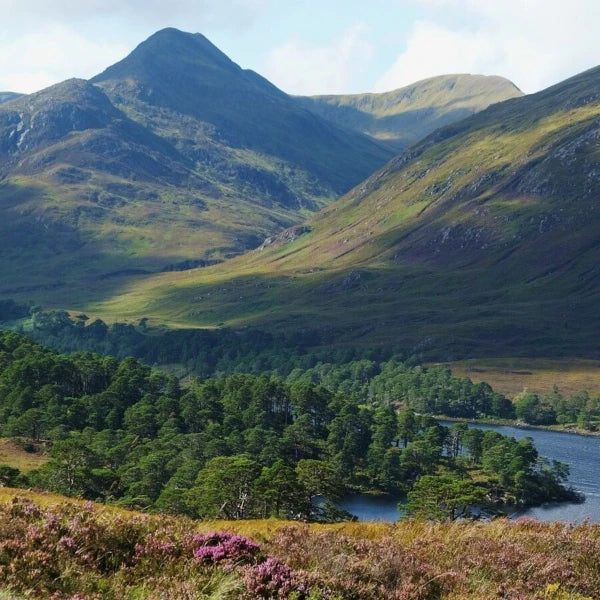
Scotland
Trees for Life is dedicated to restoring the Caledonian Forest and revitalizing the natural ecosystems of the Scottish Highlands. Once a thriving woodland stretching across the region, this ancient forest now survives only in scattered remnants. The project works to rebuild these landscapes by helping native forests recover, creating conditions where natural regeneration can flourish, and reconnecting habitats that have been fragmented over centuries.
Centered around large-scale nature recovery areas such as the Dundreggan Estate, the initiative restores woodland, peatland, and river corridors to strengthen biodiversity and ecological resilience. By reducing pressures like overgrazing, supporting the return of native species, and fostering natural processes, the project aims to bring back a self-sustaining, wilder Highland landscape.
Local communities, volunteers, and young people play a key part in this long-term restoration effort, contributing through hands-on conservation, training, and rewilding activities. The project blends ecological science with community involvement to ensure that the Highlands can thrive environmentally, culturally, and economically for generations to come.
Impacts and benefits
The project contributes to long-term ecological and social resilience through:
- Revival of the Caledonian Forest by restoring native tree species such as Scots pine, birch, rowan, and aspen.
- Strengthened biodiversity as habitats recover and wildlife corridors reconnect.
- Improved soil health and water regulation, reducing erosion and enhancing natural water cycles.
- Enhanced climate resilience through restored peatlands and expanding woodland carbon sinks.
- Support for local communities via training, conservation work, and eco-tourism opportunities.
- Increased ecological awareness through volunteer programs, field education, and hands-on rewilding experiences.
Country’s general context
Scotland’s landscapes have been shaped by centuries of deforestation, intensive grazing, and land-use pressures. Today:
- Only small fragments of the original Caledonian Forest remain.
- Large areas suffer from biodiversity loss, soil degradation, and reduced ecosystem function.
- Climate change brings more extreme weather, impacting rivers, peatlands, and highland habitats.
- Rural communities face depopulation, limited economic opportunities, and challenges connecting younger generations to land stewardship.
Against this backdrop, restoring native forests and natural processes has become essential for Scotland’s ecological future and for sustaining the cultural heritage tied to its landscapes.
Regional context
The Scottish Highlands are one of the most iconic yet ecologically fragile landscapes in Europe. In this region:
Historic overgrazing has prevented natural forest regeneration.- River corridors, peatlands, and montane woodlands are fragmented and degraded.
- Wildlife such as pine marten, red squirrel, golden eagle, and many pollinator species depend on recovering habitats.
- Large rewilding estates like Dundreggan serve as focal points for nature recovery, research, and community engagement.
The region’s vast open spaces offer enormous potential for ecological restoration, making it an ideal setting for long-term rewilding work.
Project history
Trees for Life began with a vision to restore the ancient Caledonian Forest and revive the ecological richness of the Highlands. Over the years:
- The organisation grew from grassroots volunteer work to one of the UK’s leading rewilding initiatives.
- Key restoration areas, including the 10,000-acre Dundreggan Estate, were established as long-term nature recovery zones.
- Partnerships with scientists, landowners, local communities, and rewilding networks strengthened the project’s reach.
- A major rewilding centre was developed to support education, research, and public engagement in large-scale landscape restoration.
Today, Trees for Life continues to expand its efforts across the Highlands, demonstrating that degraded landscapes can recover and flourish when natural processes are restored.
Land management practices
The project employs ecological restoration methods designed to support long-term natural regeneration:
- Reducing or excluding grazing pressure to allow young trees and vegetation to establish.
- Supporting the recovery of native woodlands, peatlands, and riparian areas.
- Encouraging natural seed dispersal and regeneration where possible, complemented by targeted planting of local native species when needed.
- Controlling invasive species to protect fragile habitats.
- Improving soil and hydrological conditions through nature-based solutions.
- Maintaining wildlife corridors to reconnect fragmented habitats and support species movement.
These practices aim to create a self-sustaining, resilient landscape shaped by natural processes rather than continuous intervention.
Local communities involvement
Trees for Life places people at the heart of landscape recovery. Local communities are engaged through:
- Volunteer programs that involve tree planting, habitat restoration, and ecological monitoring.
- Training and skills development in conservation, land stewardship, and rewilding techniques.
- Educational experiences at the Dundreggan Rewilding Centre, connecting visitors to local ecology and culture.
- Collaboration with local landowners and farmers to promote nature-friendly land management.
- Support for rural employment through restoration work, tourism, and community-led initiatives.
The project helps ensure that rewilding benefits both nature and the people who call the Highlands home.

Plant to Stop Poverty (PSP)
Tanzania
Plant to Stop Poverty (PSP) by Tree-Nation empowers rural communities to fight poverty and climate change through agroforestry. By combining sustainable farming with large-scale tree planting, the project increases food security, strengthens household incomes, and restores damaged forest ecosystems. With over 1,230,000 trees already planted, our team brings proven expertise and a strong community-based approach to every new planting site.
What the Project Does
PSP works directly with isolated rural villages, engaging families in every step of the process—from awareness sessions and seedling preparation to planting, tending, and monitoring. Five experienced conservationists guide the work, ensuring high-quality implementation and knowledge transfer. The project promotes collaboration between local communities, forestry authorities, and environmental partners to create long-term, sustainable change.
Key Activities
- Community awareness and environmental education
- Seedling raising and procurement
- Site preparation and seedling transport
- Tree planting in farms, water catchments, and degraded forest patches
- Scheduled tree care, monitoring and evaluation
- Introducing agroforestry techniques (mulching, water retention systems, alley cropping, contour planting)
- Training in sustainable land management and restoration
- Secondary activities such as beekeeping when trees mature
Impacts and Benefits
PSP improves both livelihoods and ecosystems by replacing harmful practices with regenerative land use:
- Restores degraded forests to prevent erosion, protect soil, and secure water sources for villages.
- Improves food and income through fruit, nut and fodder trees planted on farms.
- Enhances soil fertility using nitrogen-fixing species and better water management.
- Reduces pressure on nature reserves by providing sustainable alternatives to charcoal, timber and fuelwood.
- Strengthens biodiversity by reintroducing endangered, threatened and keystone species.
- Supports eco-tourism development in restored forest areas.
- Empowers communities with knowledge for long-term environmental stewardship.
Where We Work
The project focuses on Tanzania’s Northern coastal belt (Tanga region)—an area rich in biodiversity but heavily affected by charcoal production, illegal logging, agricultural expansion and past wildfires. Many forest reserves are degraded and critical plant and animal species are threatened. PSP supports national restoration goals to reforest five million hectares by 2030 and aims to restore 200,000 hectares through sustainable agroforestry and community-driven conservation.
Why It Matters
Extreme poverty and reliance on wood fuel have driven widespread deforestation in rural Tanzania. With up to 500,000 hectares lost annually, water sources, biodiversity, and local livelihoods are at risk. PSP offers a proven, community-centered solution that restores forests while improving incomes—helping families break the cycle of poverty without harming their natural environment.
Community Participation
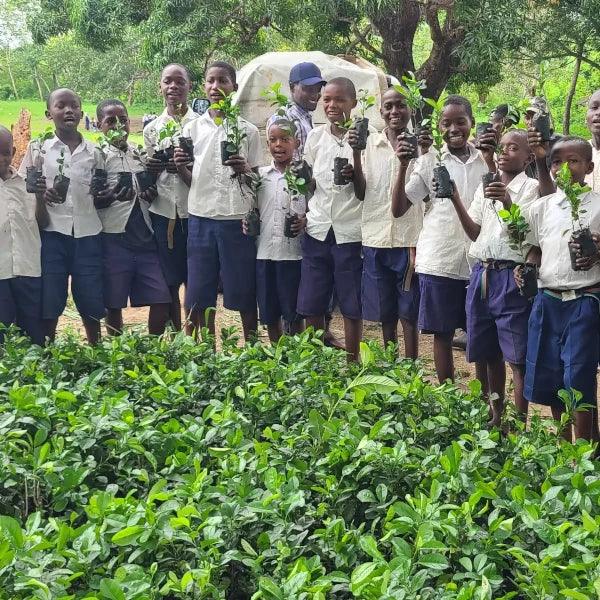
Local villagers, school groups and environmental committees work alongside PSP from nursery to planting and ongoing care. Education plays a central role, preparing the next generation to protect forests and adopt sustainable farming practices.

Trees for Tribals
Tamil Nadu, India
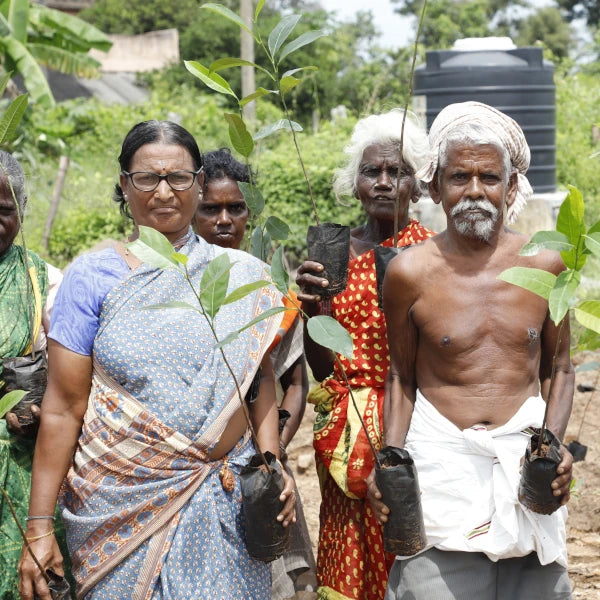
Trees for Tribals is a community-focused reforestation initiative (by Tree-Nation) supporting the Irula tribe in Tamil Nadu—one of the earliest Indigenous groups of the Indian subcontinent. The Irulas face long-standing socio-economic challenges as a semi-nomadic and largely landless community, with limited access to education, healthcare, and stable employment. Their traditional livelihoods have been disrupted by modern legislation, environmental degradation, and increasing climate-related disasters.
This project (by Tree-Nation) strengthens the resilience of Irula communities by creating employment through tree-planting activities, restoring degraded landscapes, improving biodiversity, and enhancing the local microclimate. It focuses on planting fruit-bearing species to improve nutrition and income potential, and fuelwood and minor forest produce species to support daily needs and long-term sustainability. By converting wastelands and degraded areas into productive green spaces, the project reduces pressure on existing forests while improving living conditions for tribal families.
Ultimately, the project supports livelihoods, builds local climate resilience, and promotes sustainable natural resource management—helping tribal communities secure a more stable and dignified future.
Impacts and Benefits
The project delivers both environmental and socio-economic gains. Its main objectives include:
- Securing employment for Irula and rural communities while strengthening local stewardship of natural resources.
- Restoring degraded and deforested land with ecologically valuable native species to increase biodiversity.
- Promoting sustainable and equitable land use, reducing reliance on environmentally harmful activities.
- Encouraging community participation in long-term natural resource management, sustainable development, and nature-based tourism.
Tree plantations also help lower local temperatures, provide shade, and buffer communities from extreme heat waves—an increasingly critical benefit in Tamil Nadu’s climate.
Country Context
India is home to over 104 million Indigenous people, making up 8.6% of its population. These communities, known as Scheduled Tribes (STs), live across diverse geographies—forests, mountains, and remote rural landscapes—and maintain rich cultural traditions deeply tied to nature. Despite their ecological importance, tribal groups face persistent challenges, including poverty, limited education, inadequate healthcare, and uncertainty over land and forest rights.
In Tamil Nadu, tribes such as the Irula, Toda, Badaga, and Kurumba inhabit regions like the Nilgiris, Dharmapuri, and Salem. Many depend on small-scale agriculture, honey collection, and crafts. However, expanding mining activities, urbanization, and land conversion have displaced many from ancestral lands, weakening traditional sources of sustenance. Limited access to public services contributes to low literacy, high child mortality, and poor nutrition.
A similar situation exists in parts of Chhattisgarh, including Bastar, where tribes such as the Gond, Muria, and Halba depend heavily on forests. Conflict-driven displacement, poor infrastructure, and limited development have made these communities even more vulnerable.
Although the Forest Rights Act (FRA) and Tribal Sub-Plan (TSP) were introduced to improve conditions, inconsistent implementation means tribal populations still struggle with land insecurity, environmental change, and limited livelihood opportunities.
Regional Context: The Irula Tribe
The Irula people have a distinct cultural heritage, with a Dravidian language, rich oral traditions, music, and customs. Historically, Irulas earned a living by capturing snakes, collecting honey, and controlling rodents—skills closely connected to forest ecosystems.
Since snake catching has been outlawed under the Wildlife Protection Act of 1972, many Irulas now work as daily-wage laborers, often in low-income and climate-exposed jobs. Communities living in the plains are increasingly vulnerable to storms, droughts, and intense heat due to limited shelter resources and reduced access to forest products.
This project places the Irula community at the center of all planting activities—from seedling care to planting and maintenance—ensuring long-term employment, community ownership, and a direct improvement in local biodiversity and green cover.
Project History
This initiative was developed to address two interconnected challenges:
- Environmental degradation and biodiversity loss, and
- The socio-economic marginalization of tribal communities.
Tribal groups such as the Irulas have historically served as environmental stewards, yet they are now among the most vulnerable populations affected by climate change, land displacement, and the erosion of traditional livelihoods.
The project began with a vision to combine ecological restoration with tribal empowerment, focusing first on Tamil Nadu and later expanding support to regions like Chhattisgarh. A carefully selected mix of tree species—valued for ecological benefits, nutritional contribution, and economic potential—was introduced around community lands and tribal dwellings.
From the start, the project emphasized community participation. Tribal members were involved in land identification, sapling care, planting, and maintenance. This approach ensures long-term survival of the trees, builds local capacity, and strengthens the relationship between communities and their surrounding environment.
Land Management Practices
Land management follows an ecologically and socially grounded approach:
- Site Selection & Permissions
Areas are chosen based on ecological suitability and community access, with approvals coordinated through village councils. - Seedling Preparation
Saplings are grown for at least six months to reach optimum planting height and are nurtured with vermicompost and regular care. - Community Lands
Most plantations take place on common lands near Irula dwellings, ensuring that the benefits stay within the community. - Planting Season
Planting aligns with the northeast and retreating monsoon seasons (October–January), maximizing survival rates in the region’s fertile red soil. - Monitoring & Maintenance
Irula community members and village councils jointly oversee watering, mulching, soil care, and protection of young trees. This participatory model builds shared responsibility and ensures long-term sustainability.
This approach enhances ecological resilience while reinforcing community stewardship, ensuring that restored lands remain productive and protected far into the future.

Community Reforestation in Java
Indonesia
Trees4Trees is a long-running community reforestation program (through Tree-Nation) in Java, Indonesia, designed to restore degraded land, strengthen rural livelihoods, and promote sustainable agroforestry. After decades of deforestation caused by land conversion, logging, and large-scale agriculture, Indonesia’s forests have begun to recover. This project reinforces that progress by empowering farmers and communities to plant trees, care for their land, and build long-term economic resilience.
Founded in 2007 as the non-profit foundation Yayasan Bumi Hijau Lestari, Trees4Trees operates from Semarang, Central Java. Since its establishment, the program has planted over 6 million trees and supported more than 38,700 families in community forestry. In 2023 alone, it enabled 22,000 farmers to plant an additional 5.5 million trees across Java.
How the Program Works
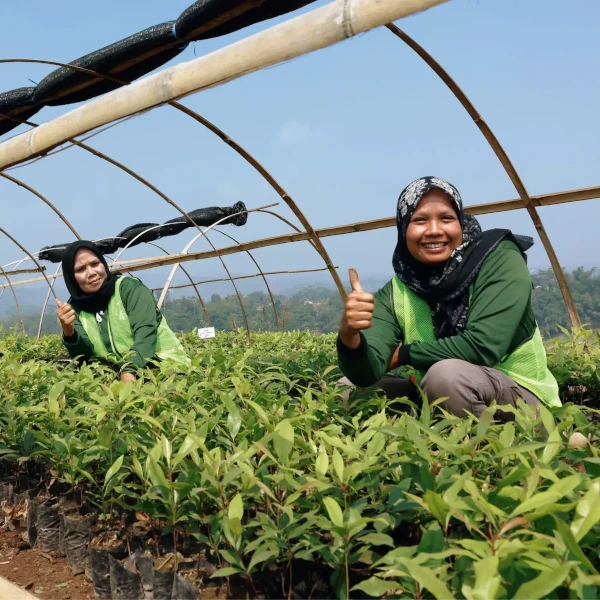
Trees4Trees strengthens the connection between people, forests, and sustainable land use. Its professional team of 182 staff (including 80 forestry graduates) collaborates with 900 trained community members and 190 nursery specialists. These teams operate four nurseries with a combined annual production capacity of 6 million seedlings, growing 28 native and established timber and fruit species.
Key Activities
- Selection and onboarding of new farmer participants
- Land assessments and planting plan development
- Free distribution of high-quality seedlings
- Training in agroforestry, grafting, organic fertilizer production, and sustainable farming
- Continuous field support, including a dedicated hotline for technical questions
- Establishment of demonstration plots (“demplots”) for practical training
- Monitoring of seedling survival, tree growth, and long-term performance
- Two years of follow-up support after planting
To ensure strong results, nurseries produce 120% of the seedling target, distribute 110%, and account for an expected 10% loss—guaranteeing that 100% of the target trees are successfully planted and initially verified. Average survival rates are typically over 90%.
All planted trees are recorded with geo-coordinates in the GEKO mapping database, providing transparency and traceability for every planting location.
Vision and Mission
Vision: To improve environmental health and social well-being through a self-sustaining, community-based program implemented where people live and work.
Mission: To enhance the environment and the lives of local communities by planting trees, providing education, and offering services that create shared value for all stakeholders.
Land Management and Agroforestry
Most areas use agroforestry systems, combining trees, crops, and soil management to increase productivity and household income. Land not suitable for agriculture is restored using conservation forestry, focusing on native trees and fruit species that help restore local ecosystems.
Farmers are trained in organic and regenerative farming practices, reducing chemical use, improving soil health, and lowering costs.
Forestry Approaches Used in the Project
- Social Forestry
Involves local communities directly in forest management, reducing pressure on natural forests and improving household income. - Community Agroforestry
Integrates trees with crops, enhancing soil quality, diversifying income sources, and improving land resilience to droughts and erosion. - Conservation Forestry
Restores degraded or marginal land with native species, stabilizing soils, improving biodiversity, and protecting watersheds. - Fruit-Tree-Based Farming
Provides farmers with long-term income from fruit harvests while improving tree cover and soil stability. - Selective Timber Replenishment
Replaces timber species harvested in the past to create sustainable wood resources and reduce illegal logging pressure. - Mangrove and Coastal Restoration (where applicable)
Protects coastlines, supports marine biodiversity, and helps restore natural buffers against storms and sea-level rise.
Impacts and Benefits
General Environmental and Social Benefits
- Carbon sequestration and long-term climate benefits
- Stronger rural livelihoods and increased self-sufficiency
- Soil restoration and improved water retention
- Greater biodiversity and healthier ecosystems
- Reduced erosion and improved watershed stability
Project-Specific Outcomes
- Regeneration of riverbanks and water systems
- Improved sustainability of wood supply
- Better resistance to drought and extreme weather
- Strong local ownership and long-term care of newly planted trees
Country Context
Indonesia, the world’s largest archipelago with over 17,000 islands and 280 million inhabitants, is one of the most biodiverse countries on Earth. Historically heavily forested, the nation faced decades of rapid deforestation due to palm oil expansion, logging, agricultural clearing, and land-use conflicts. Forest loss peaked around 2016.
Recent years have shown improvement thanks to policy reforms, legality verification systems, fire-prevention measures, and greater market demand for sustainable products. However, the recovery remains fragile. Local, community-driven programs like Trees4Trees are essential for ensuring that reforestation efforts are lasting, equitable, and beneficial for both people and nature.