Christmas Present
The Tree Gift - Celebrate Christmas with a meaningful eco-friendly gift: plant a tree!

Our Christmas Plant-a-Tree Gift collection offers tree-planting packages ranging from a single tree to an entire forest. Each Christmas tree gift supports verified reforestation projects, helps restore forests, protects wildlife, and strengthens long-term climate action. A meaningful, sustainable holiday present that grows long after the season has passed.
12 products
Filter
Gift a Tree - Christmas Pack

Gift Two Trees - Christmas Pack

Gift 3 Trees - Christmas Pack

Gift 5 Trees - Christmas Pack

Gift 10 Trees - Christmas Pack

Gift 20 Trees - Christmas Pack

Gift 30 Trees - Christmas Pack

Gift 50 Trees - Christmas Pack

Gift 100 Trees - Christmas Pack

Gift 200 Trees - Christmas Pack

Gift 300 Trees - Christmas Pack

Gift 500 Trees - Christmas Pack

A Present That Grows
Plant-a-tree for Christmas
Planting a tree as a Christmas gift is a meaningful way to celebrate the season while creating lasting environmental impact. Each planted tree supports verified reforestation projects that help restore forests, protect wildlife, and strengthen ecosystems. You can choose from packages ranging from a single tree to an entire forest—perfect for thoughtful Christmas gifting.
A tree-planting gift continues to grow long after the decorations come down. The recipient receives a personalised digital certificate, creating a warm and memorable keepsake that reflects your shared commitment to climate action and a greener future.
Tree gifts also carry a beautiful symbolic message. Trees stand for hope, renewal, and new beginnings—values that align naturally with the spirit of Christmas. By gifting a tree, you’re sharing something that embodies growth, care, and a vision for a better world.
This gift is simple, inclusive, and suitable for anyone. Whether for family, friends, colleagues, or clients, a plant-a-tree present offers a meaningful alternative or addition to traditional items. It’s also a perfect last-minute option—adding a thoughtful, lasting touch to your holiday giving at any time.
Certified Tree Gifting
100% Planting Guarantee
Every tree you plant with us comes with a digital certificate, so you can celebrate your gift and share the joy with loved ones. We provide a 100% planting guarantee and work exclusively with trusted partners like Trees for Life and Tree-Nation to ensure every project is managed responsibly. Their carefully selected projects focus on biodiversity, ecosystem restoration, and sustainable tree planting, so your contribution truly makes a difference. We analyze each initiative to maximize the impact of every dollar, minimizing overhead, waste, and energy use. Our mission is to combine the happiness of giving with the power of reforestation, turning every gift into a lasting benefit for people, wildlife, and the planet.
Projects All Over the World
Where We Plant Trees
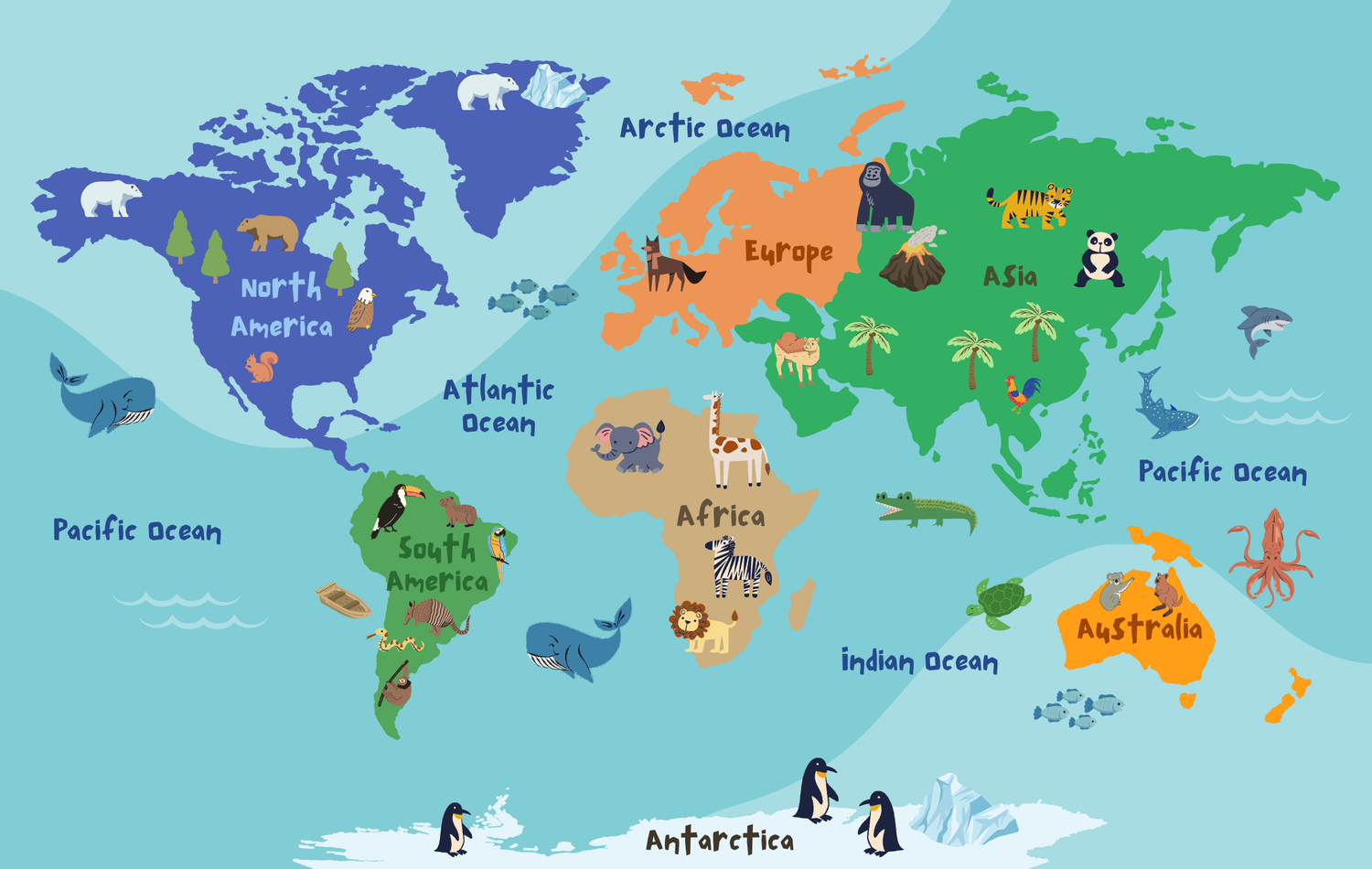
All gifts are carefully distributed across our global tree‑planting projects to maximize impact — restoring forests, supporting local communities, and protecting biodiversity. Each location on the map represents a unique effort, together forming a network of lasting positive change for our planet.
Explore the map to see a selection of the projects we partner with to plant trees. Select any “+” symbol for details about that project.